Is Spending More for High Reliability Worth It? Analysis of Core Components of Batching Plants
In the high-stakes world of infrastructure development, the reliability of your equipment often dictates the success of your project. When contractors begin searching for a new concrete batching plant price, the wide spectrum of quotes can be overwhelming. It is tempting to opt for the lowest bidder to keep initial capital expenditures low. However, in demanding markets—such as the rugged mining sectors where one might deploy a concrete plant Chile—the true cost of ownership is rarely found on the initial invoice. High reliability is not just a luxury; it is a strategic buffer against downtime, which can cost thousands of dollars per hour. Understanding the engineering behind the core components allows decision-makers to see why a slightly higher investment today can prevent a financial disaster tomorrow.
The Heart of the Operation: The Twin-Shaft Mixer
The mixer is the single most critical component of any plant. Whether you are looking at a stationary setup or a mobile concrete plant, the quality of the mixing unit determines the consistency of your output. Cheap mixers often utilize inferior alloys for their liner plates and mixing blades, leading to rapid wear and tear.
Advanced Wear-Resistant Alloys
High-reliability plants typically feature chromium-manganese alloy liners. While these increase the initial concrete batching plant price(planta dosificadora de concreto precio), they offer a significantly longer service life. In environments like the coastal regions or high-altitude projects common for a concrete plant Chile, the abrasive nature of local aggregates can chew through standard steel in months. Investing in high-grade materials ensures that the "heart" of your plant keeps beating through the most grueling shifts.
Precision Gearboxes and Motors
Reliability is also found in the drive system. Premium gearboxes are designed to handle the high-torque demands of starting a full load of heavy concrete. A failure here doesn't just stop production; it can result in concrete hardening inside the drum, leading to catastrophic maintenance issues. By prioritizing high-efficiency motors, you also lower long-term energy consumption, offsetting the upfront concrete batching plant price.
Mobility Without Compromise: The Engineering of Portable Units
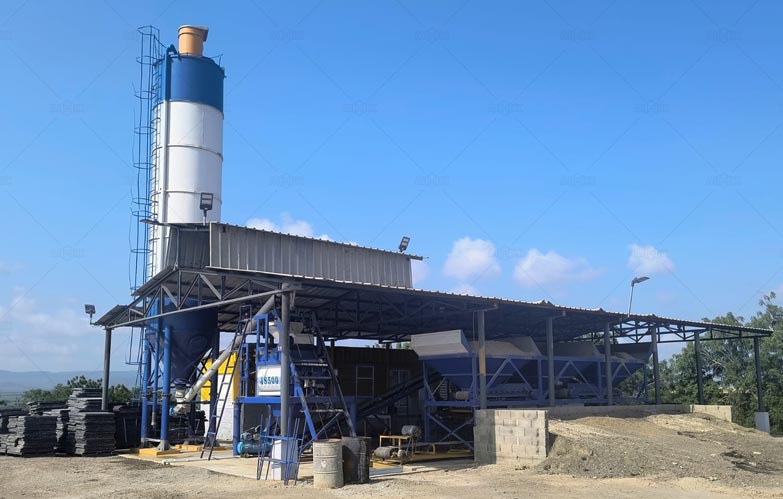
Modern construction often requires moving equipment between job sites, which has led to the popularity of the mobile concrete plant. However, mobility should not come at the expense of structural integrity. A low-cost mobile unit may use thinner steel for the chassis, leading to structural fatigue over time due to the constant vibrations of the batching process.
Integrated Structural Stability
Top-tier manufacturers design their mobile concrete plant units with a "no-compromise" philosophy. This includes heavy-duty axles, reinforced support legs, and an integrated sub-frame that absorbs mechanical stress. For a contractor operating a concrete plant Chile(planta de hormigón Chile), where seismic activity or uneven terrain is a factor, this structural robustness is non-negotiable.
Rapid Deployment Systems
A reliable mobile concrete plant is also defined by its ease of setup. Premium models feature "plug-and-play" electrical systems and pre-installed air piping. While this engineering sophistication might slightly raise the concrete batching plant price, it allows a crew to transition from transport mode to production mode in a matter of hours rather than days, providing a massive advantage in project timelines.
Accuracy in Measurement: Weighing Sensors and Control Systems
The difference between "good" concrete and "certified" concrete lies in the precision of the batching. This is where the digital brain of the plant meets the mechanical muscle. If your sensors provide inconsistent data, your chemical admixtures and cement ratios will be off, leading to structural failures and wasted materials.
High-Precision Load Cells
Reliable plants utilize load cells with high IP ratings to protect against dust and moisture. In the dusty environments of a concrete plant Chile, lower-quality sensors often fail or drift, requiring frequent recalibration. When comparing the concrete batching plant price of different models, always look at the brand and protection rating of the weighing components.
Sophisticated Control Software
A high-reliability control system does more than just open and close gates. It features "auto-compensation" for moisture in the sand and provides detailed batch reports for quality control. This level of intelligence is particularly important when operating a mobile concrete plant(planta de hormigón móvil) in remote areas where laboratory testing facilities are not immediately available.
Logistics and Local Support in the Latin American Market
Buying a machine is just the start of a multi-year relationship. In specific markets, the value of a brand is tied directly to its local presence. For instance, a concrete plant Chile needs more than just good specs; it needs a supplier who understands the customs regulations, shipping logistics to ports like San Antonio or Valparaiso, and the local electrical standards.
Spare Parts Availability
The most reliable plant in the world is useless if a 10-dollar sensor fails and the replacement is six weeks away. High-end manufacturers often maintain local warehouses in key regions. When you pay a premium on the concrete batching plant price, you are often paying for the peace of mind that a service technician is only a few hours away.
Adaptation to Local Aggregates
Every region has unique stone and sand characteristics. A mobile concrete plant must be versatile enough to handle varying gradations. Reliable manufacturers offer customized bin designs and vibrating screens to ensure that the material flow remains consistent, regardless of the local geological conditions.
Securing Your Long-Term Competitive Advantage
Ultimately, the decision to invest in high-reliability components is a move toward long-term profitability. While the initial concrete batching plant price may be higher, the reduction in emergency repairs, the decrease in wasted raw materials, and the extension of the machine's overall lifespan create a much lower "cost per cubic meter." Whether you are expanding your fleet with a stationary concrete plant Chile or looking for the flexibility of a mobile concrete plant for rural road works, quality remains the only variable that pays for itself. By focusing on the engineering of the mixer, the precision of the sensors, and the strength of the chassis, you ensure that your business stays built on a foundation as solid as the concrete you produce.
Is your current equipment strategy focused on the lowest entry cost, or are you prepared for the hidden expenses of mechanical failure?